Articles & Resources
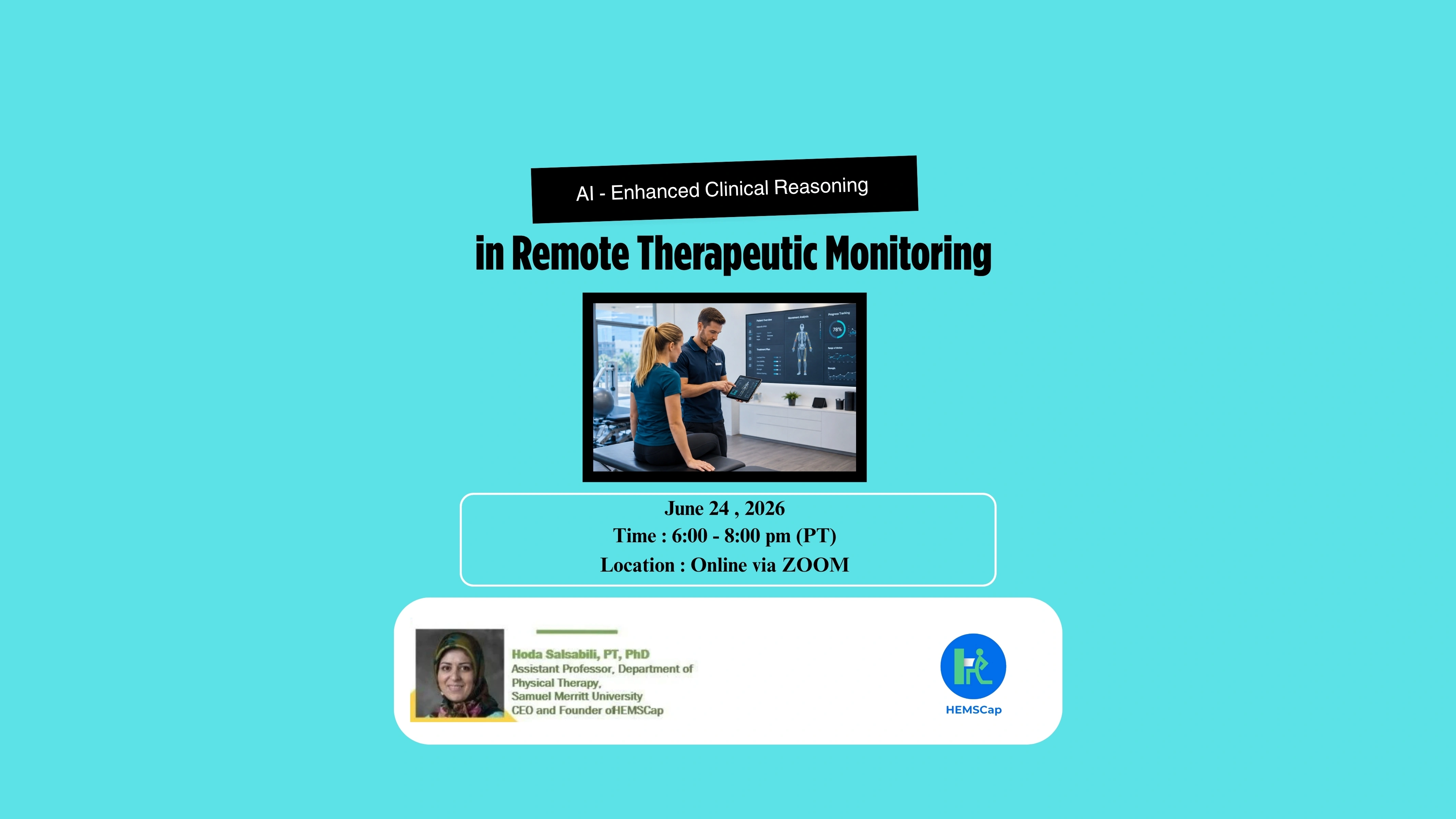
Official Report: RTM and Artificial Intelligence in Rehabilitation and Digital Health Conference
The event is designed to explore modern applications of artificial intelligence in physical therapy, remote therapeutic monitoring (RTM), and the analysis of patient movement and outcome data.
Use of Artificial and Augmented Technology in Physical Therapy Task Force
APTA has launched the Use of Artificial and Augmented Intelligence in Physical Therapy Task Force to explore the responsible integration of AI technologies into clinical practice, education, and research in physical therapy.

Get to know American Academy of sports physical therapy
Explore how the APTA Academy of Sports Physical Therapy advances athlete care through education, research, and clinical excellence, and discover how emerging technologies like computer vision AI are transforming sports rehabilitation outcomes.

Health Coaching and Physical Therapy
This article explores how integrating health coaching into physical therapy improves patient adherence, enhances long-term rehabilitation outcomes, and supports sustainable recovery beyond clinical sessions.
Future of Physical Therapy and Telehealth Updates
Discover the latest APTA Practice Update covering the Future of Physical Therapy Summit, the lasting impact of COVID-19 on rehabilitation services, and the growing role of telehealth in modern patient care.

Equitable Disability Accommodations in Physical Therapy
The APTA emphasizes equitable disability accommodations in physical therapy education and practice, promoting inclusive access, fair opportunity, and reduced barriers for individuals with disabilities.

What's the Impact of AI on Physical Therapy ?
Discover how artificial intelligence is transforming physical therapy through movement analysis, smarter rehabilitation, automated documentation, and improved patient care.

Standards of Practice for Physical Therapy
Explore the Standards of Practice for Physical Therapy published by APTA, highlighting essential guidelines that ensure safe, ethical, and evidence-based patient care in modern clinical practice.

Physical Therapy in Emergency Care : Research on the value of physical therapy
Physical therapy in emergency care is transforming hospital workflows by improving patient outcomes, reducing pain, and decreasing unnecessary admissions. Learn how emergency department physical therapists enhance healthcare efficiency and recovery.
Quality Standards and Excellence in Physical Therapy Education Programs
This article explores APTA’s quality standards in physical therapy education programs, highlighting CAPTE accreditation and efforts to enhance academic excellence and clinical training for future physical therapists.

CMS Streamlines Approval Processes for Outpatient Clinics
CMS has introduced new updates to streamline approval processes for outpatient clinics, reducing administrative burden and improving efficiency in physical therapy care delivery.
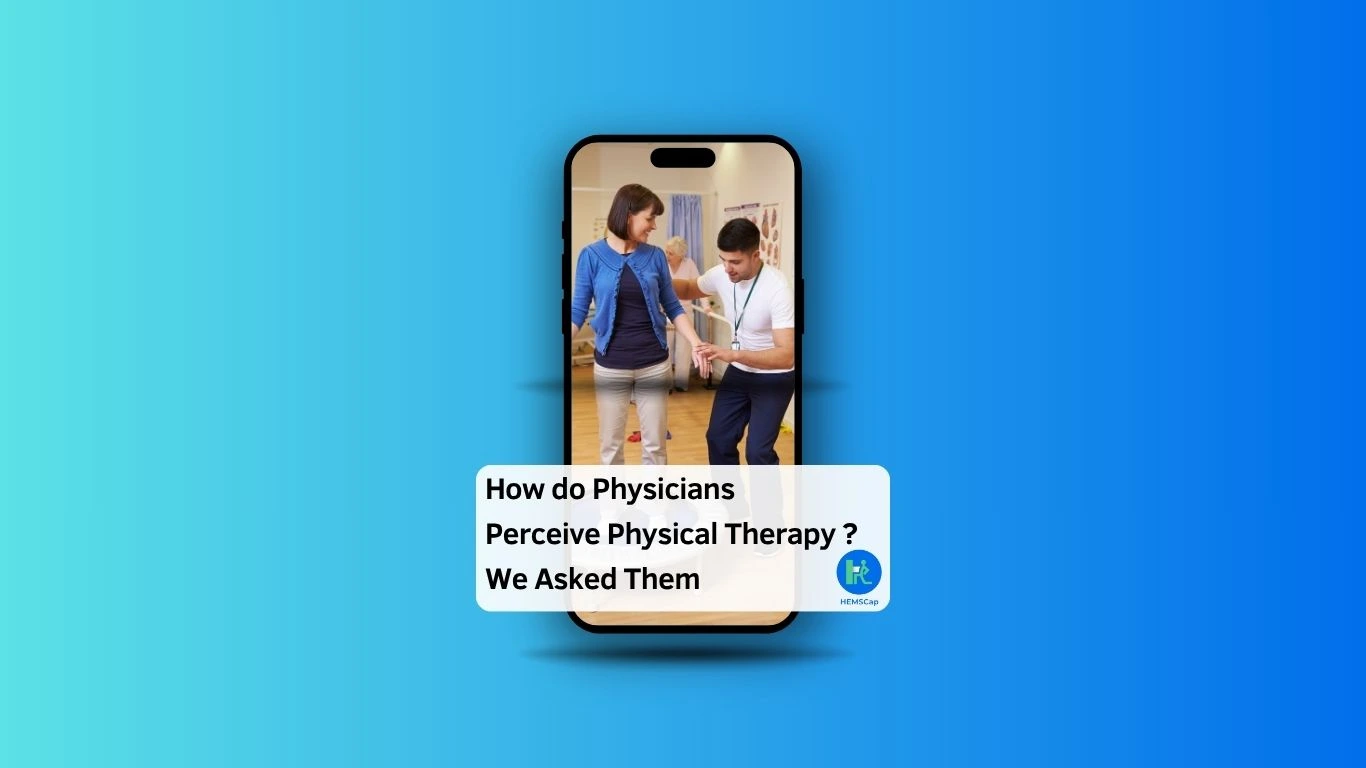
How do Physicians Perceive Physical Therapy ?
A new APTA report reveals that physicians hold a highly positive view of physical therapy, with strong trust and frequent referrals, while highlighting key barriers such as access and cost.
APTA Continues Fighting For Federal Student Loan Access for Future PTs
The American Physical Therapy Association (APTA) is continuing its fight against proposed federal student loan restrictions that could limit financial access for future physical therapists and impact the healthcare workforce.
APTA Practice Advisory on AI-Enabled Ambient Scribe Technology
The APTA has released new guidance on AI-enabled ambient scribe technology in physical therapy, outlining its impact on clinical documentation, workflow efficiency and the importance of clinician oversight, ethics and patient privacy.
APTA Practice Advisory on Primary Care Physical Therapy
APTA releases a new Practice Advisory on Primary Care Physical Therapy, outlining the role of physical therapists in evaluation, management, and referral within primary care settings.
APTA Adopts New Code of Ethics for Physical Therapy Profession
The APTA has officially adopted a new Code of Ethics for the physical therapy profession, set to take effect in 2026, strengthening professional standards, accountability, and patient care across the field.
The intersection of remote patient monitoring and AI
Artificial intelligence and remote patient monitoring are converging to transform healthcare delivery, enabling real-time insights, better decisions, and personalized care at scale.

Why telehealth is so critical for marginalized patient populations
Telehealth plays a critical role in improving healthcare access for marginalized patient populations by removing barriers such as distance, cost, and limited provider availability, helping advance health equity through digital care solutions.

Smarter Care Starts Here : AB 2497 & the Rise of Movement Experts
AB 2497 modernizes California's Physical Therapy Practice Act by recognizing physical therapists as movement experts and reducing administrative barriers. Discover how HEMSCap's AI-powered RTM solutions and PivotalPT are transforming care delivery through smarter, more efficient and patient-centered physical therapy.

How proactive, predictive, AI-powered patient oversight can boost health outcomes
Proactive, AI-powered patient monitoring helps healthcare providers detect risks early, improve outcomes, and enhance patient engagement through predictive insights and real-time data.