Articles & Resources

Neuromuscular Re-education: Enhancing Muscle and Nerve Coordination
Explore Neuromuscular Re-education in physical therapy: improve muscle coordination, movement control, and rehabilitation outcomes efficiently and safely.

A Complete Guide to Lumbar Stabilization: Techniques, Benefits, and Core Strength Improvement
Lumbar Stabilization is one of the most effective approaches in physical therapy to enhance spine strength, reduce back pain, and prevent long-term injuries. This comprehensive guide explains its benefits, techniques, goals, and frequently asked questions in a clear and practical way.

Myofascial Release for Chronic Pain: Techniques and Three Smart Rehabilitation Solutions
Discover how Myofascial Release can reduce chronic muscle and fascial pain. Explore three innovative HEMSCap solutions integrating AI and physical therapy to enhance recovery, track progress, and optimize care.
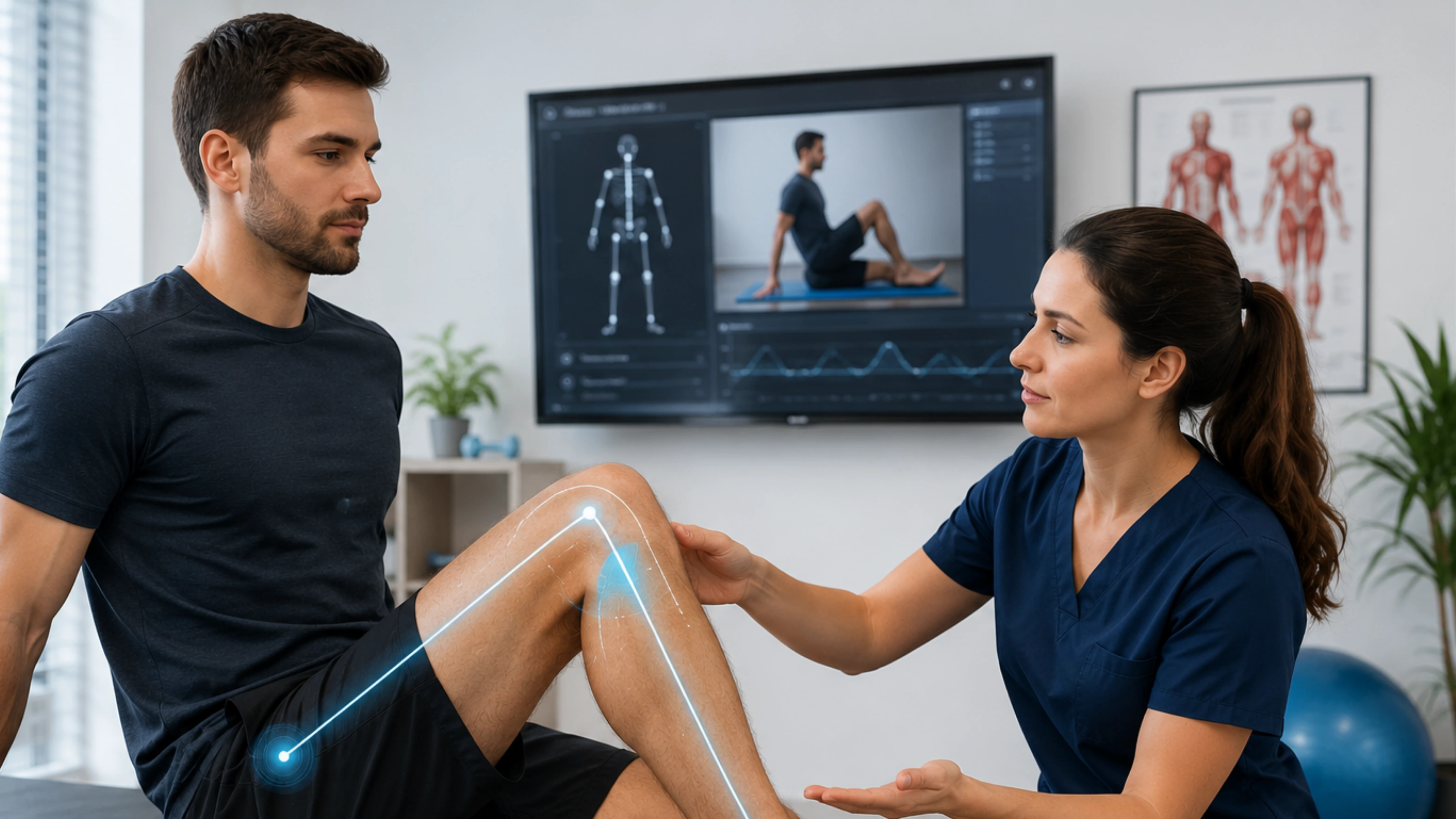
Goniometry: Measuring Joint Range of Motion in Physical Therapy
Goniometry is one of the most accurate methods for measuring joint range of motion. This article explores techniques, clinical applications, and the role of HEMSCap digital solutions in enhancing patient care in physical therapy clinics.
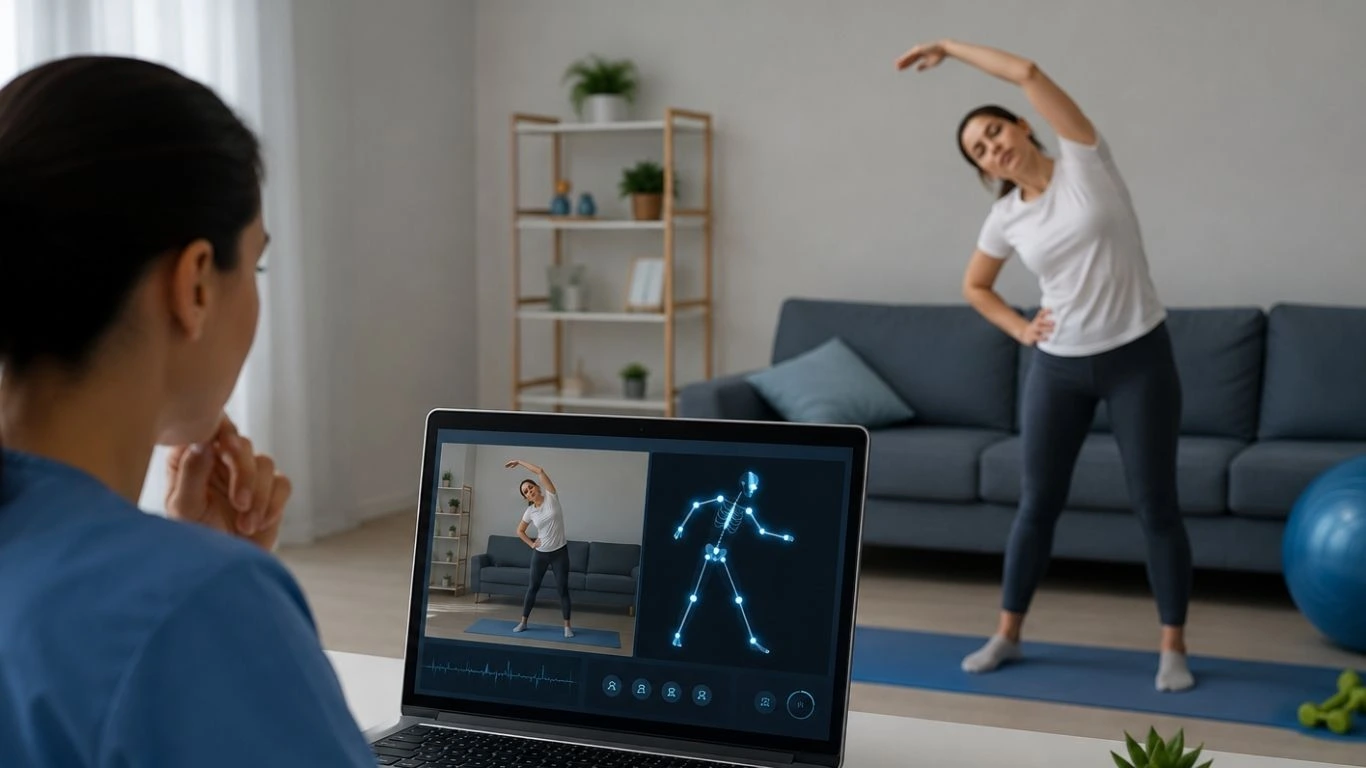
Digital Health Technologies in Physical Therapy: Transforming Rehabilitation with HEMSCap Solutions
Explore how HEMSCap’s solutions—PivotalPT, HildaCoach, and GeniusPT—revolutionize physical therapy through telerehabilitation, mobile apps, and AI-powered tools, improving patient outcomes and clinic efficiency.

Quality Standards and Excellence in Physical Therapy Education Programs
This article explores APTA’s quality standards in physical therapy education programs, highlighting CAPTE accreditation and efforts to enhance academic excellence and clinical training for future physical therapists.

Digital Therapy in Physical Therapy: Comprehensive Guide to Telehealth Assessment and Treatment
Explore the principles, methods, and benefits of digital therapy in physical therapy, including remote assessment, patient engagement, and HEMSCap solutions like PivotalPT and HildaCoach for effective rehabilitation.
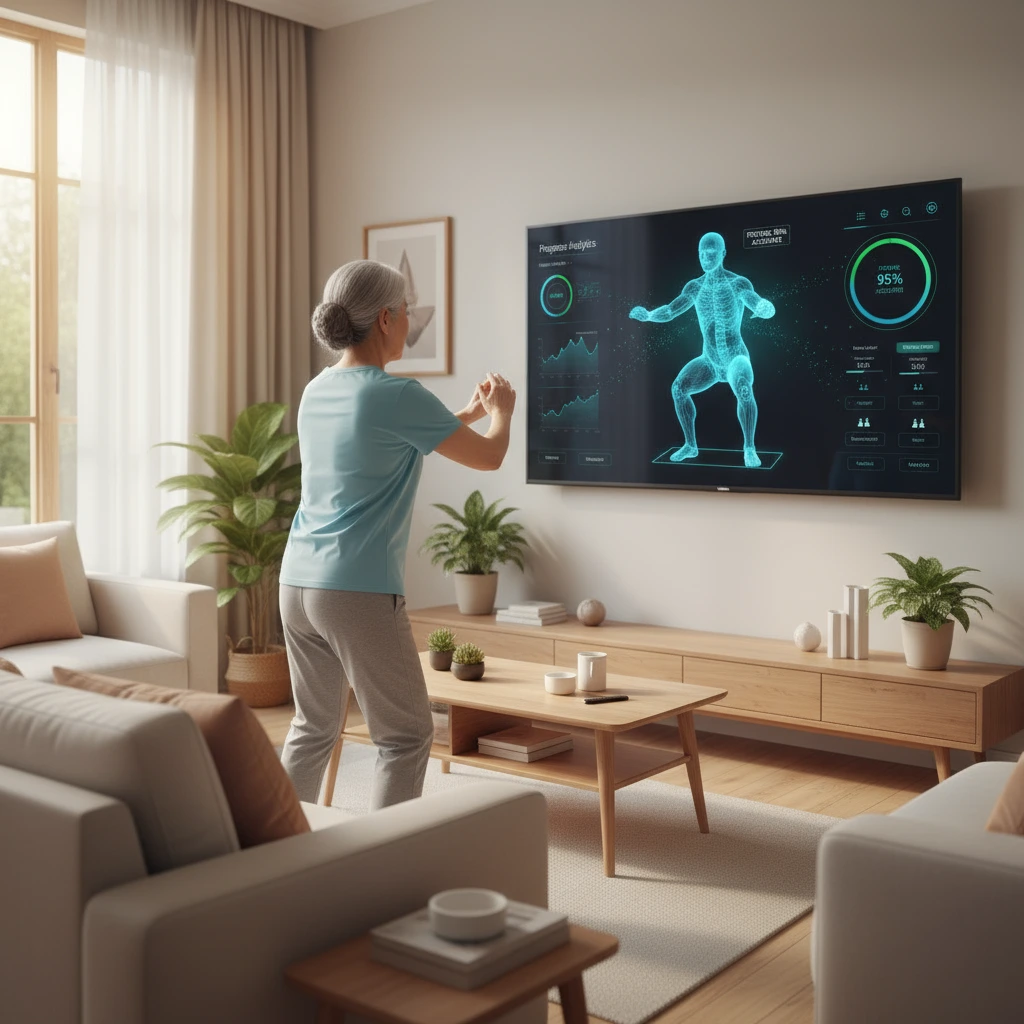
The Role of Physical Therapy in Post-Stroke Rehabilitation and the Impact of HEMSCap Technology
Discover how physical therapy combined with HEMScap technology enhances post-stroke rehabilitation through personalized exercises, real-time feedback, and long-term progress tracking. Learn effective techniques and benefits.

Smart Physical Therapy Assistant : Transforming Rehab with AI
Smart Physical Therapy Assistant leverages AI to transform rehabilitation through automated documentation, real-time monitoring, and personalized treatment. Platforms like HEMSCap and PivotalPT enhance clinical efficiency and patient outcomes in modern physical therapy.

HEMSCap Automated Rehab Tools : Revolutionizing Patient Rehabilitation with Artificial Intelligence
This article explores HEMSCap auomated rehab tools and their role in transforming physical therapy through artificial intelligence, real-time motion analysis, and automated clinical documentation. It highlights how AI-driven rehabilitation systems like PivotalPT improve patient outcomes, increase efficiency, and support remote rehabilitation.
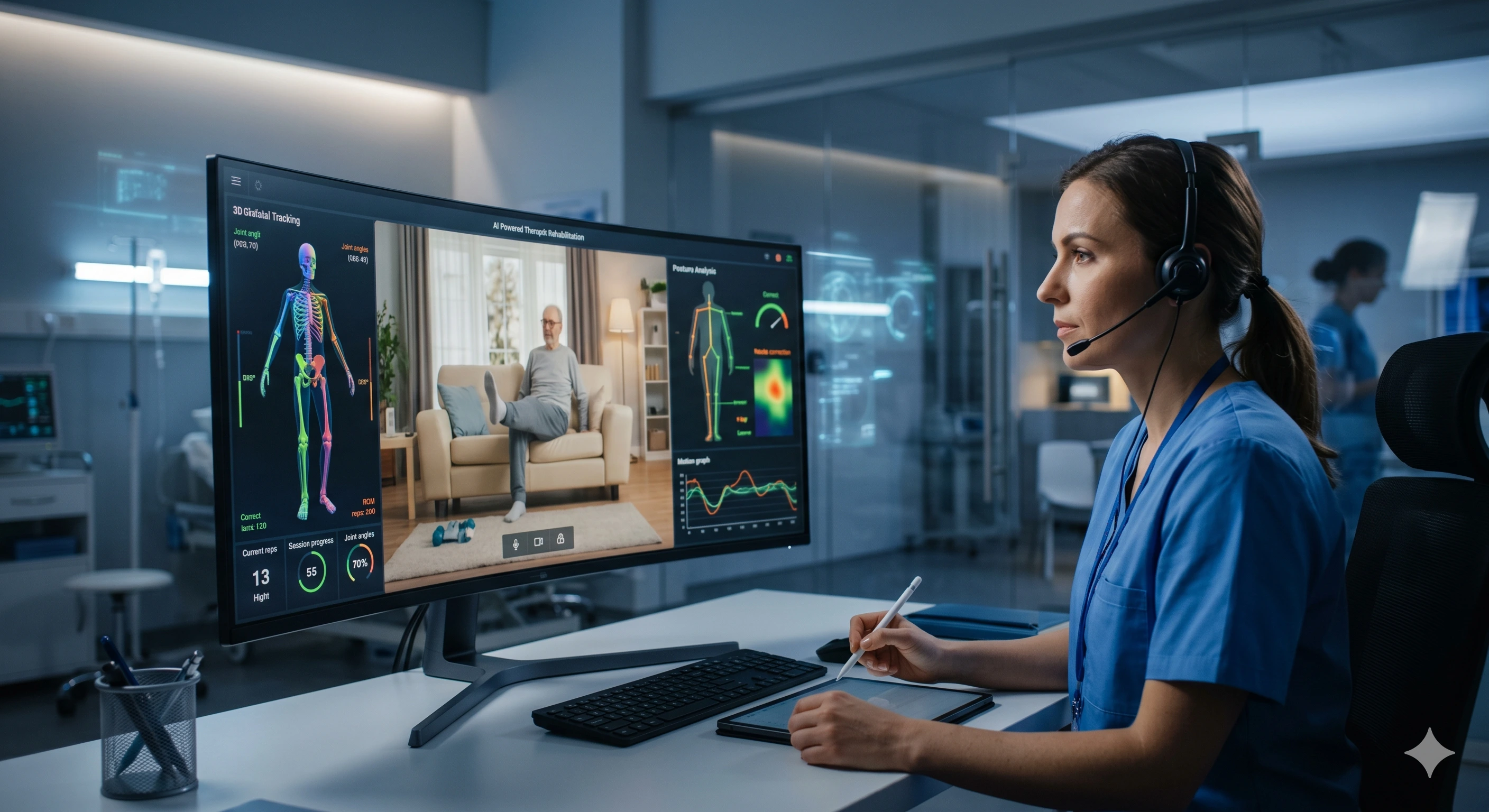
Telehealth Rehab: How AI is Transforming Physical Therapy
Telehealth Rehab is transforming physical therapy through AI-powered solutions like motion tracking, virtual care, and automated documentation. Learn how platforms such as PivotalPT are improving patient outcomes, reducing costs, and making rehab more accessible, personalized, and efficient for both patients and providers.
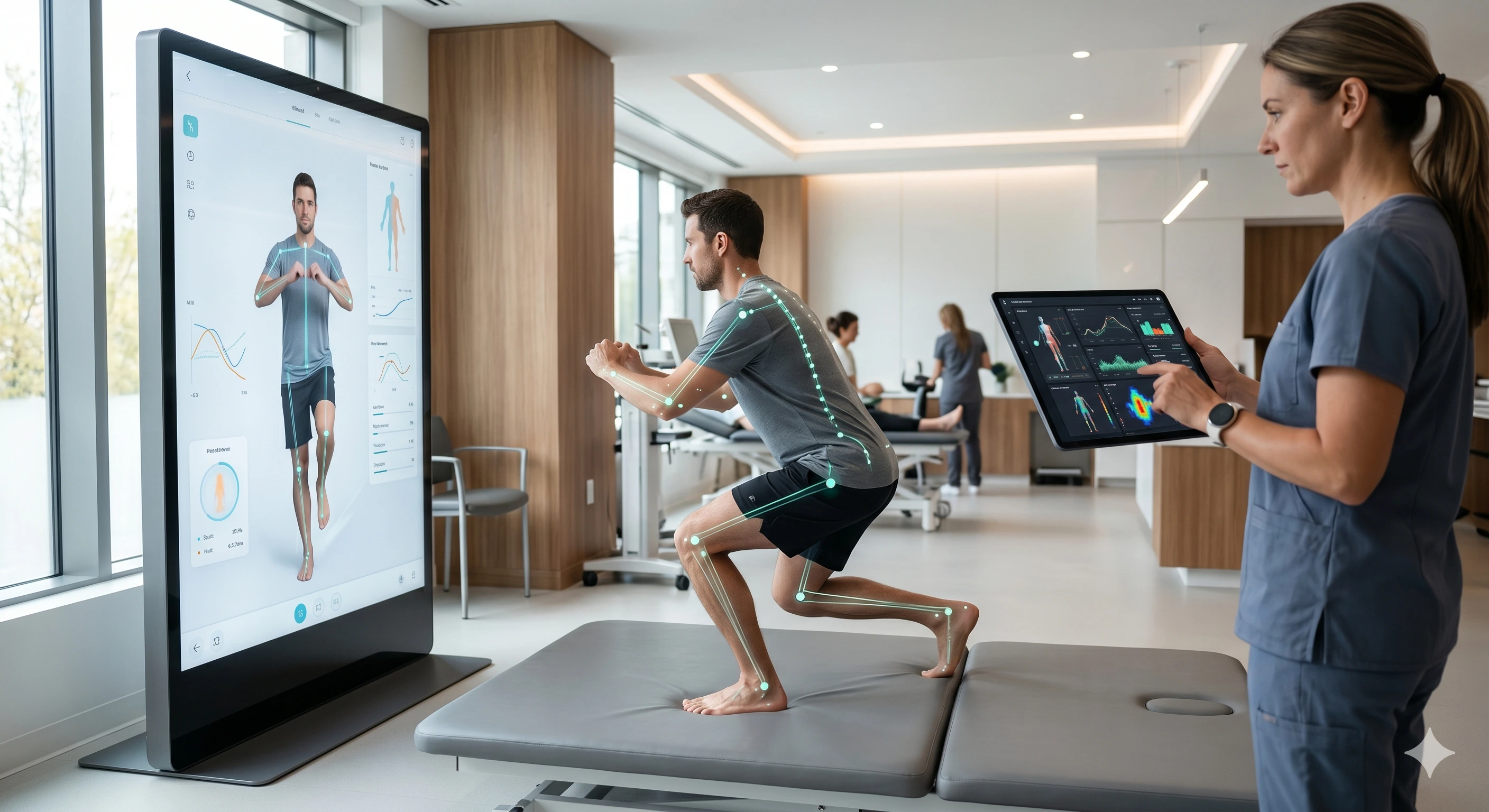
The Future of Rehabilitation: How HEMSCap's PivotalPT is Revolutionizing Physical Therapy with AI
Explore how HEMSCap's PivotalPT is transforming physical therapy with AI-Powered rehabilitation, real-time motion tracking, automated documentation, and personalized care plans. Learn how digital health innovation is improving patient outcomes, enhancing therapist efficiency, and enabling remote rehabilitation through advanced computer vision and intelligent analytics.

AI Therapy: How Artificial Intelligence is Revolutionizing Therapy through Automation, Accessibility, and Accuracy
Discover how AI therapy is transforming physical rehab with smart tools like motion tracking, automated notes, and virtual care for better recovery.
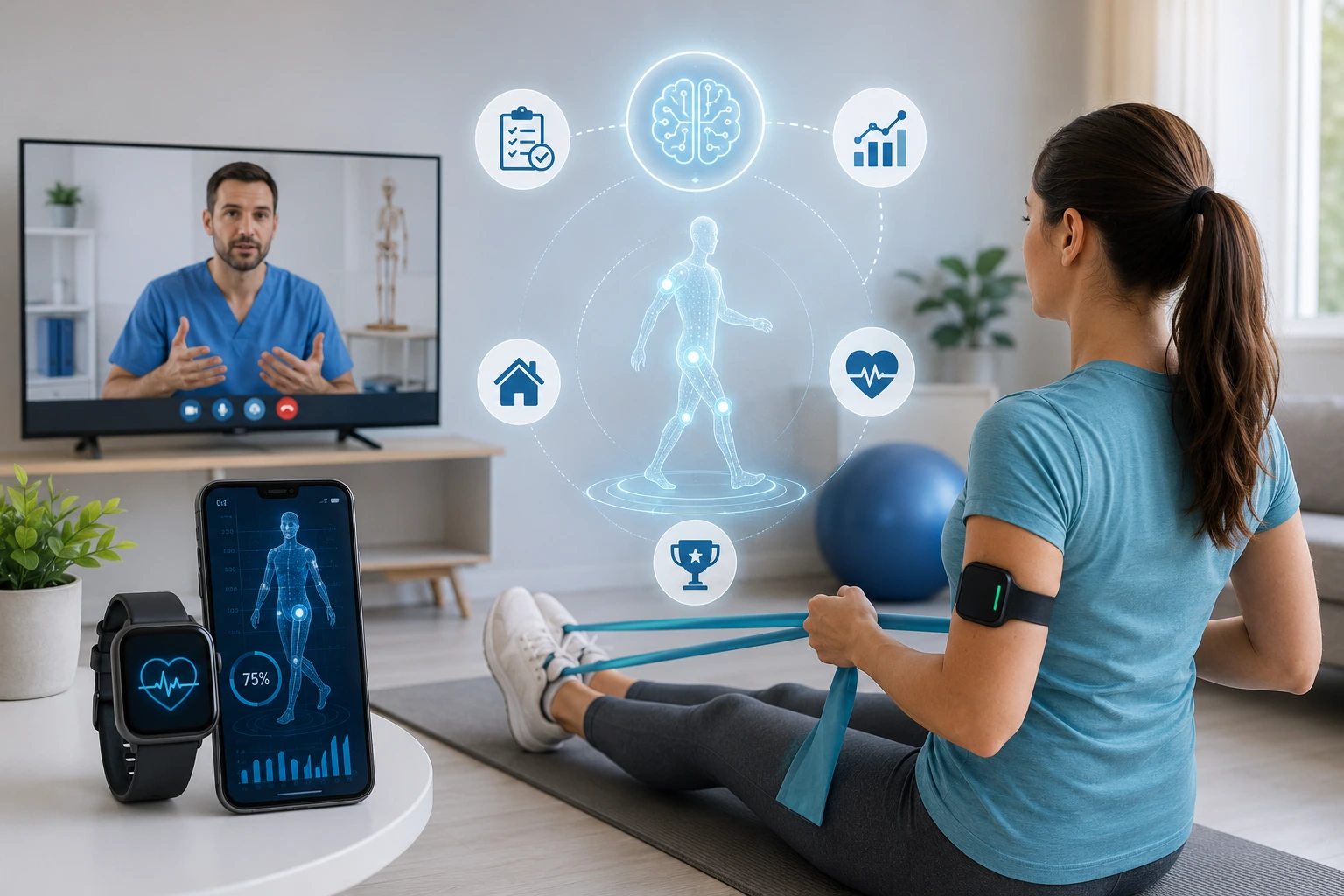
Enhancing Patient Care with Rehabilitation Technology and AI-Powered Solutions: The HEMSCap Advantage
This article explores how rehabilitation technology powered by AI and remote monitoring is transforming physical therapy. It highlights how HEMSCap improves patient outcomes through personalized treatment, telehealth, and automation in modern rehabilitation practices.

Enhancing Higher Patient Adherence through AI-Powered Remote Physical Therapy : The HEMSCap Advantage for Faster Recovery
Discover how HEMSCap’s AI-powered remote physical therapy platform boosts patient adherence, accelerates recovery, and enhances outcomes. Explore personalized care, real-time monitoring, gamified progress tracking, and data-driven adjustments for effective and accessible rehabilitation.

Revolutionizing Rehab: The Power of Patient Oriented PT with Tools like HEMSCap
Discover how Patient Oriented Physical Therapy (PT) is transforming rehabilitation with personalized care, AI-driven tools, and remote monitoring platforms like HEMSCap. Learn how this patient-centered approach improves recovery, adherence, and satisfaction while reducing healthcare costs.

Comparing Digital Rehabilitation Platforms Based on Clinical Data, RTM Models, and Patient Exercise Management
A detailed comparison of Medbridge and PivotalPT across three key areas: clinical patient data, remote therapeutic monitoring (RTM), and home exercise management. This article explores the difference between a performance-driven data approach and an engagement and education-focused model in digital rehabilitation.

CMS Streamlines Approval Processes for Outpatient Clinics
CMS has introduced new updates to streamline approval processes for outpatient clinics, reducing administrative burden and improving efficiency in physical therapy care delivery.

How do Physicians Perceive Physical Therapy ?
A new APTA report reveals that physicians hold a highly positive view of physical therapy, with strong trust and frequent referrals, while highlighting key barriers such as access and cost.

APTA Continues Fighting For Federal Student Loan Access for Future PTs
The American Physical Therapy Association (APTA) is continuing its fight against proposed federal student loan restrictions that could limit financial access for future physical therapists and impact the healthcare workforce.