Articles & Resources
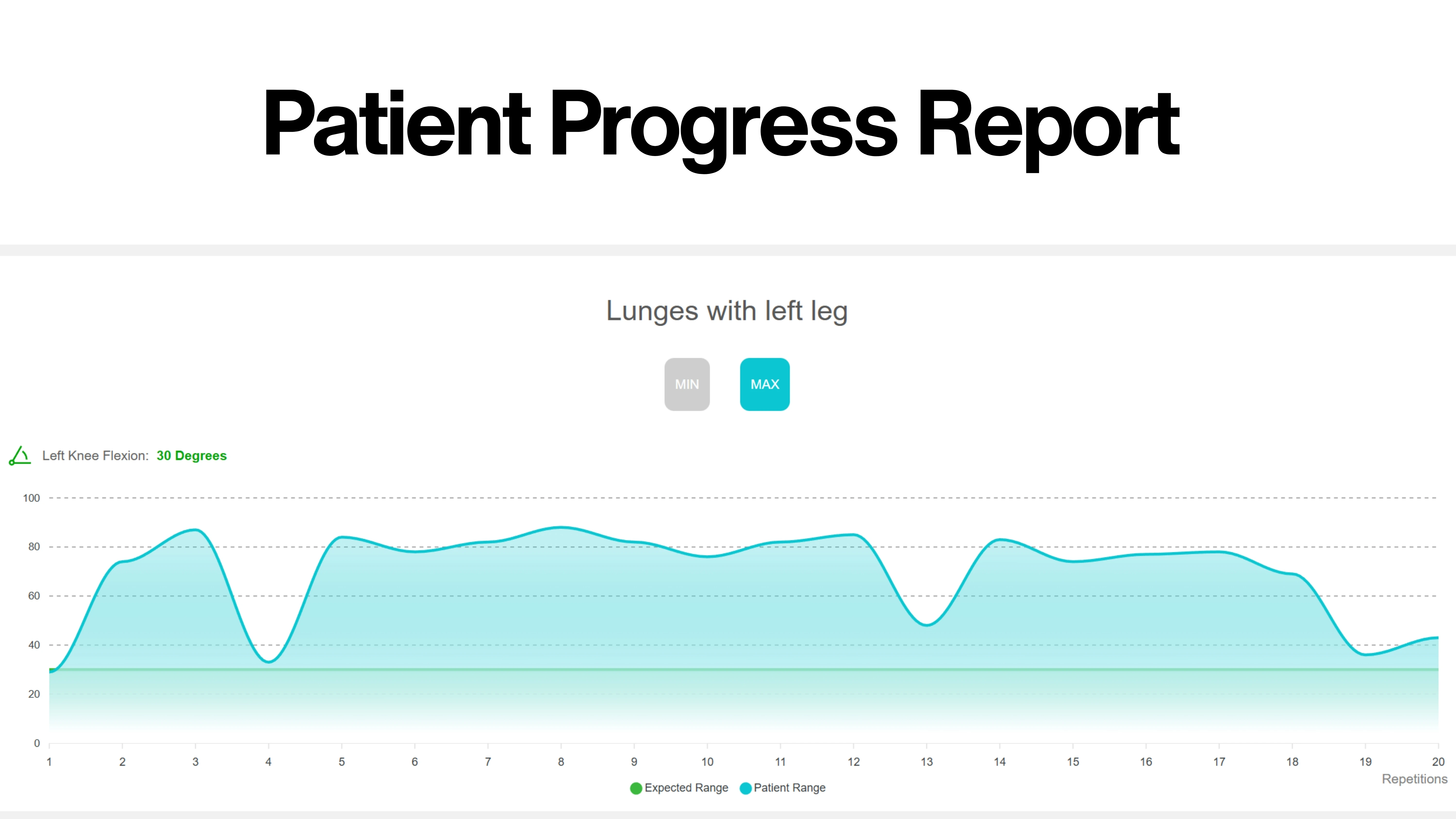
How Patient Progress Reports Improve Outcomes in Digital Physical Therapy
Learn how a Patient Progress Report improves treatment outcomes in physical therapy. Discover key components, digital tools, and the role of AI platforms like HEMSCap.
How proactive, predictive, AI-powered patient oversight can boost health outcomes
Proactive, AI-powered patient monitoring helps healthcare providers detect risks early, improve outcomes, and enhance patient engagement through predictive insights and real-time data.
How RTM is a potential game-changer for improving outcomes
RTM is transforming physical therapy by enabling remote monitoring, improving patient engagement and delivering data-driven care. Discover how HEMSCap enhances outcomes with AI-powered solutions.
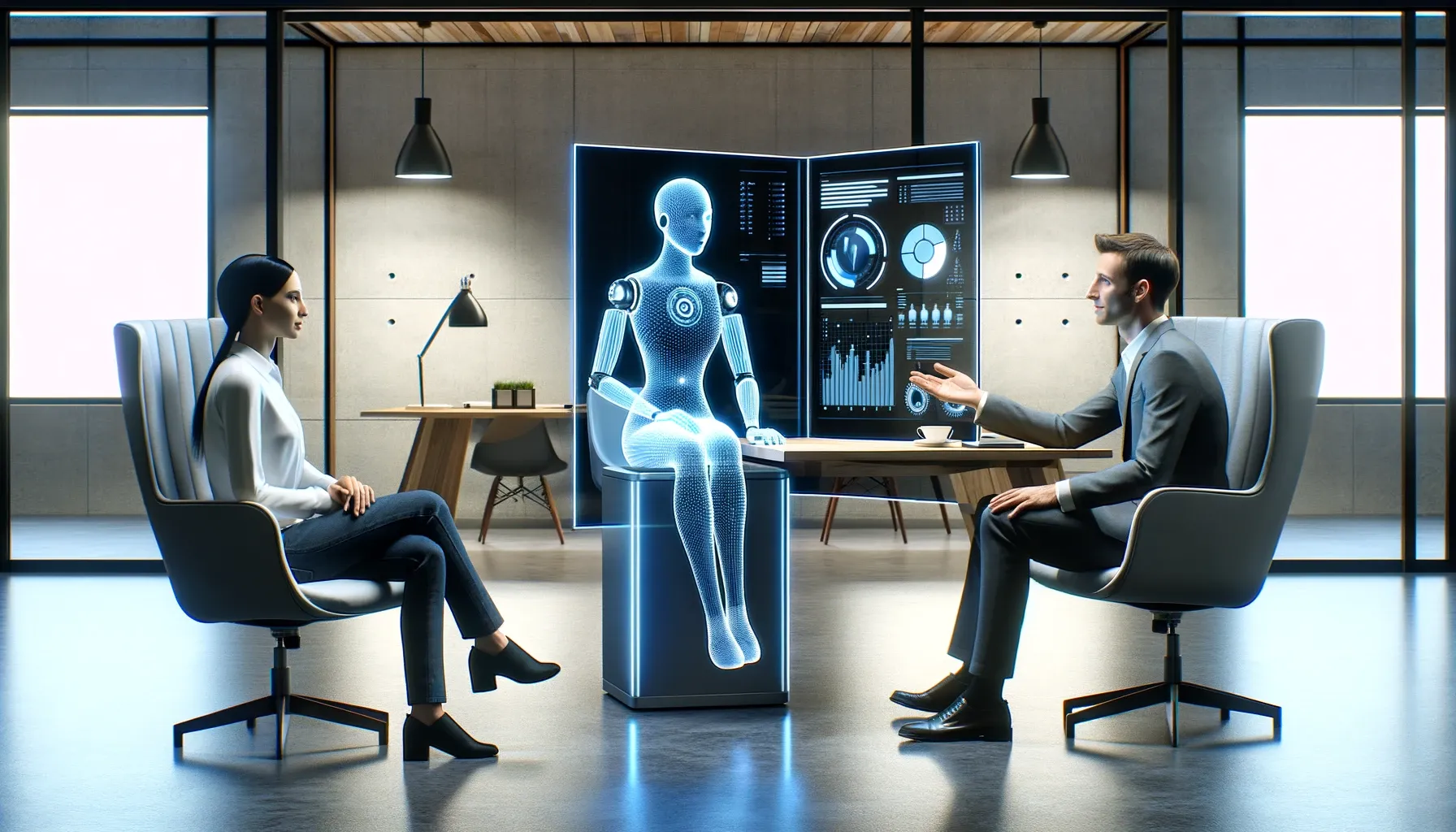
How AI Therapy Coach is Transforming Patient Rehabilitation: A Look at HEMSCap
AI Therapy Coach leverages artificial intelligence, personalized exercises, and real-time feedback to improve patient rehabilitation. This article explores HEMSCap’s role and scientific evidence supporting AI Therapy Coaches.
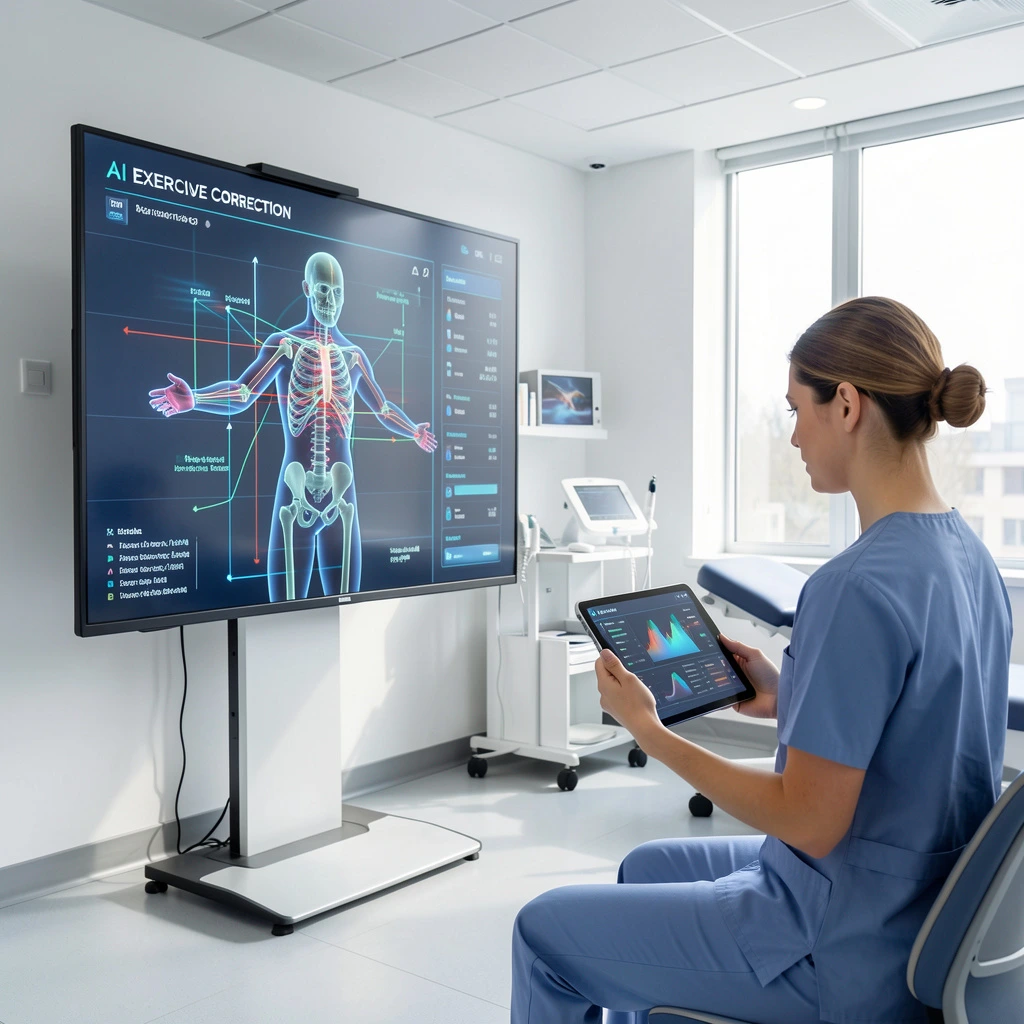
Revolutionizing Physical Therapy with AI Exercise Correction: How Technology Improves Training and Recovery
Discover how AI Exercise Correction is transforming physical therapy and rehabilitation by improving movement accuracy, enabling remote monitoring, and enhancing treatment outcomes with intelligent motion analysis technologies.

Patient Centered Care: Transforming Healthcare for Better Outcomes and Engagement
Discover the importance of patient centered care in modern healthcare, its key components, benefits, and how AI-powered solutions like HEMSCap enhance patient outcomes and engagement.

Automation and Efficiency in Healthcare: How Hemscap is Transforming Rehabilitation
Discover how Hemscap’s AI-powered automation is transforming rehabilitation and physical therapy. Learn how tools like PivotalPT, HildaCoach, and GeniusPT enhance efficiency, reduce clinician workload, and improve patient outcomes.
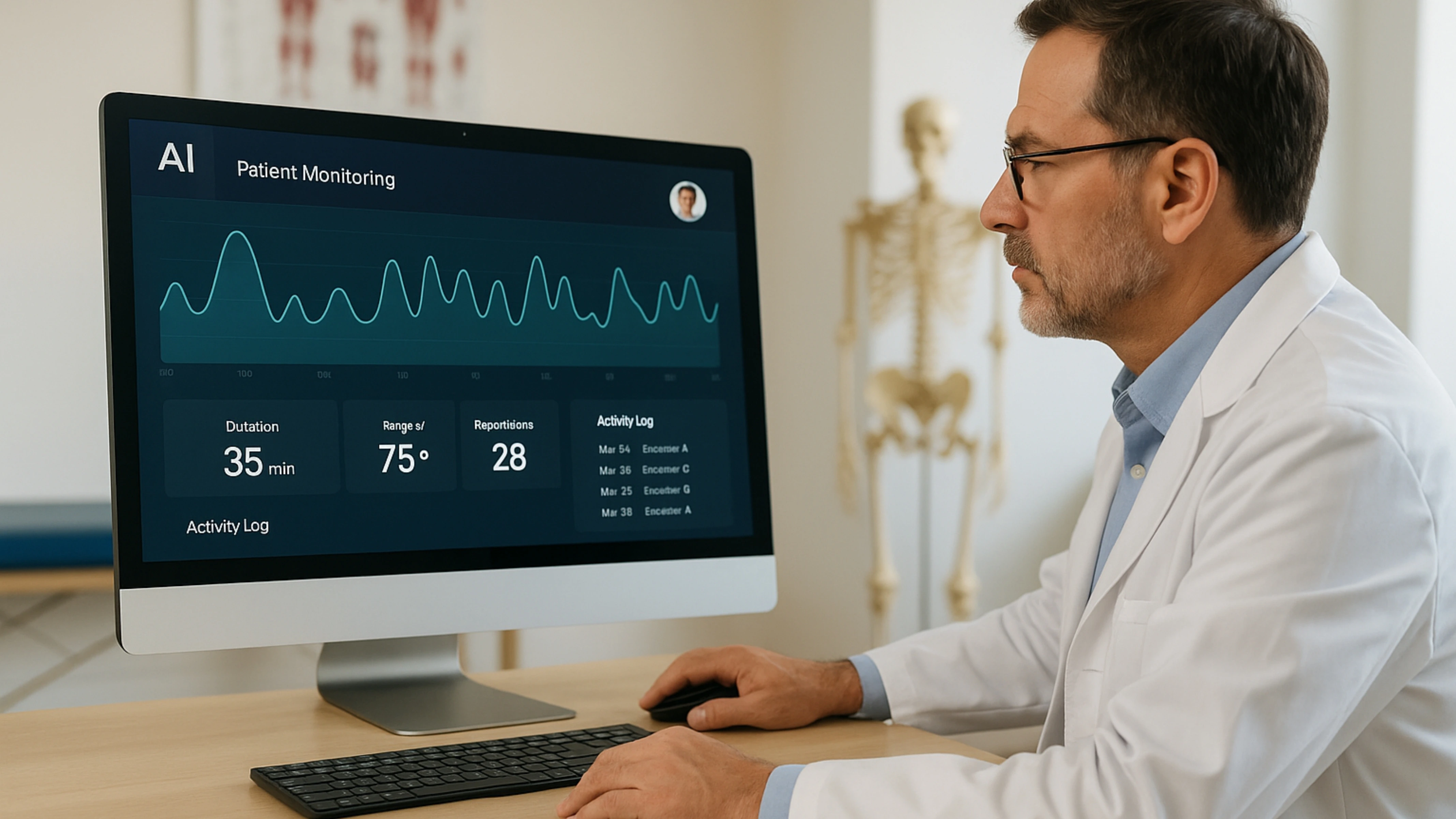
The Future of Patient Monitoring: HEMSCap’s AI-Driven Approach to Rehab and Clinical Efficiency
Explore how HEMSCap’s AI-powered platform, PivotalPT, is transforming patient monitoring and rehabilitation. Learn how real-time feedback, automated documentation, and smart rehab solutions enhance clinical efficiency and patient outcomes.
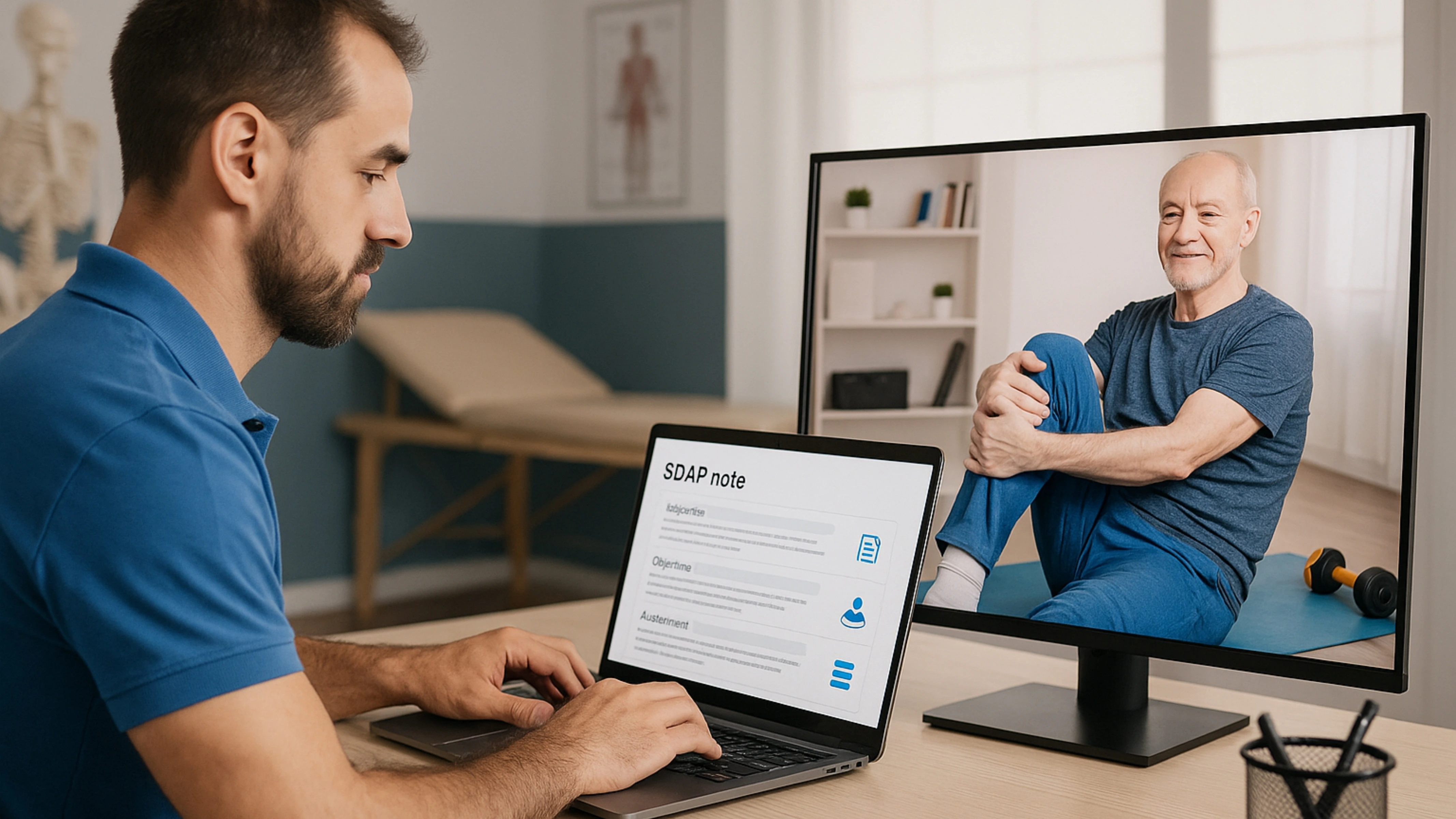
Value Based Care in Physical Therapy: Transforming Outcomes with HEMSCap !
Discover how Value Based Care is transforming physical therapy with HEMSCap’s AI-driven tools. Improve patient outcomes, reduce costs, and enhance rehabilitation through personalized, technology-enabled care.

Patient Engagement in Physical Therapy How HEMSCap Transforms Rehab Outcomes ?
Discover how HEMSCap’s AI-powered tools enhance patient engagement in physical therapy, boosting adherence, recovery outcomes, and clinic efficiency.

Telehealth offers advantages for treating children with feeding disorders
Telehealth is transforming care for children with feeding disorders, allowing therapy at home, increasing access to specialists, and improving treatment outcomes. Discover how HEMSCap supports remote pediatric therapy.
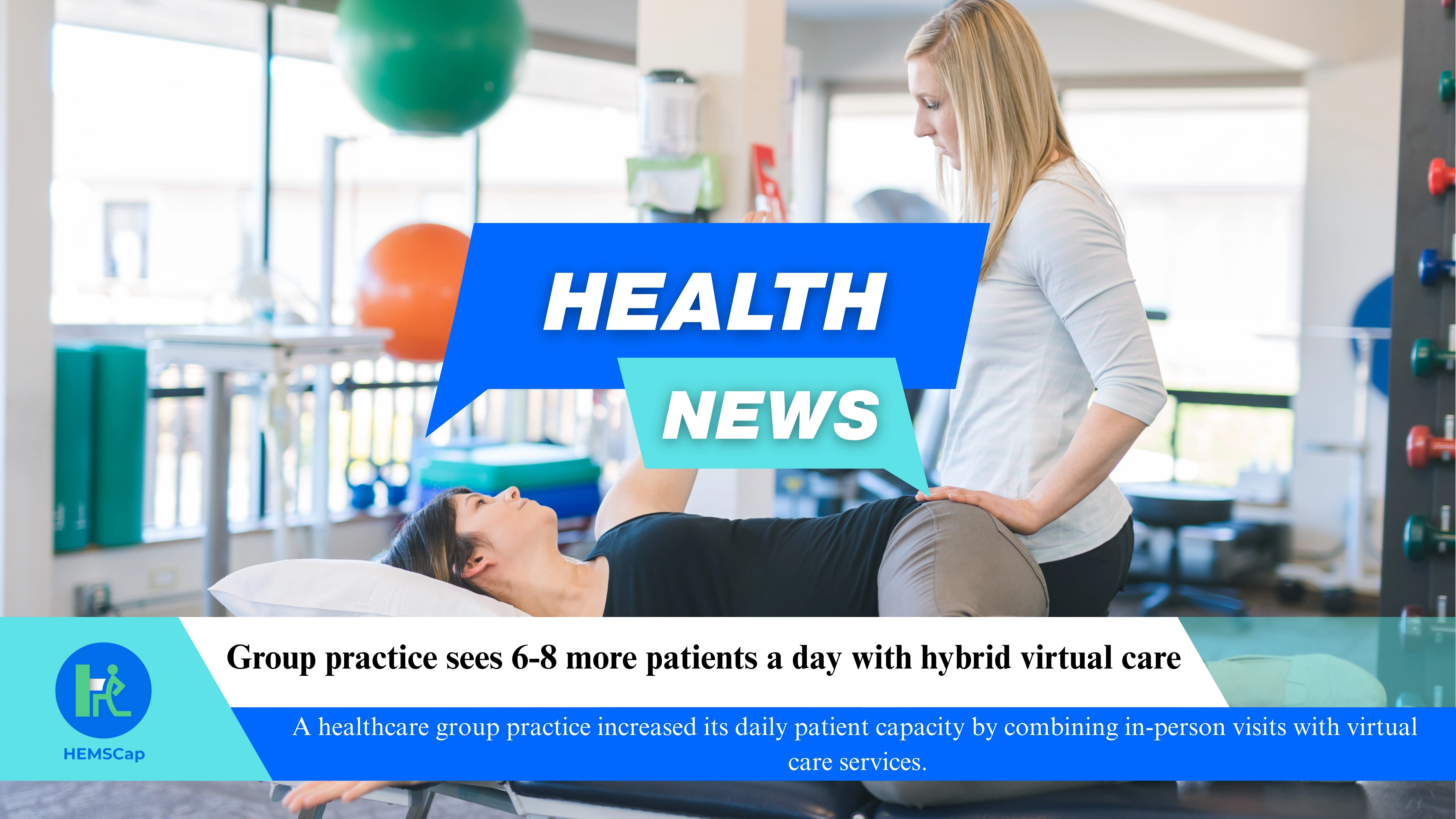
Group practice sees 6-8 more patients a day with hybrid virtual care
Hybrid care is transforming healthcare delivery by combining in-person and virtual visits. Learn how clinics can see 6–8 more patients per day while improving efficiency and patient access.
RPM strategies for moving from discharge to hospital-at-home care
Explore how Remote Patient Monitoring (RPM) supports the transition from hospital discharge to hospital-at-home care, enabling safer recovery, continuous monitoring, and improved patient outcomes through connected digital health strategies.
Remote patient monitoring reduces blood pressure for patients in New York State
Remote Patient Monitoring in New York helps patients manage high blood pressure from home. The program shows improved outcomes through digital health and continuous care.
How Telemedicine and digital therapeutics can improve orthopedic care and PT
Telemedicine and digital therapeutics are transforming orthopedic care and physical therapy by improving access, enhancing patient engagement, and enabling remote monitoring for better clinical and financial outcomes.

Remote therapeutic monitoring reduces readmissions, academic research shows
Academic research shows that Remote Therapeutic Monitoring (RTM) significantly reduces hospital readmissions and improves patient outcomes. Explore how digital health and AI are transforming rehabilitation and physical therapy.
Leveraging AI to predict patient deterioration
AI-powered predictive analytics presented at HIMSS26 demonstrates how real-time patient monitoring can detect early signs of deterioration, enabling faster intervention and improved patient safety.
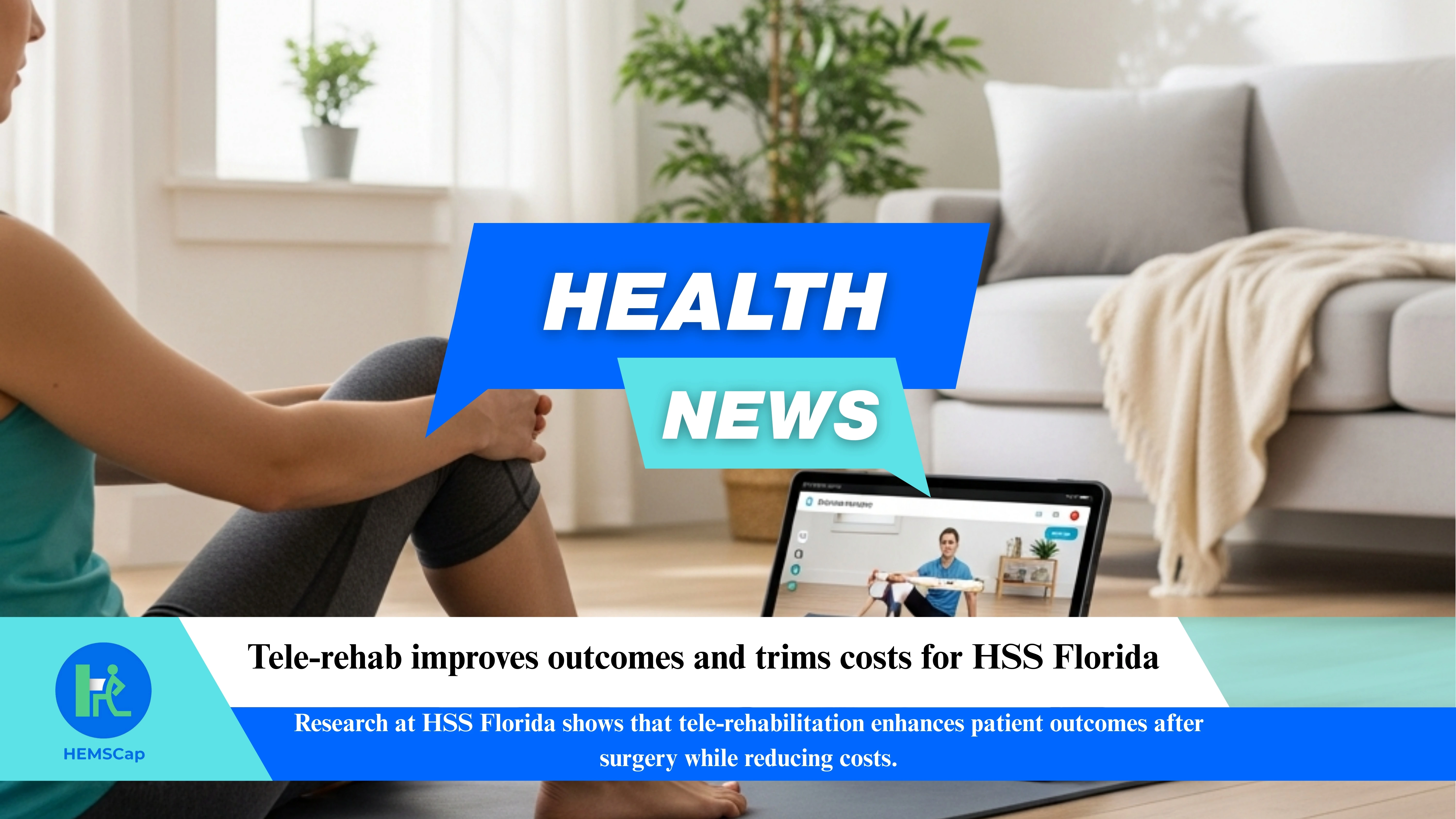
Tele-rehab improves outcomes and trims costs for HSS Florida
Tele-rehabilitation at HSS Florida improved recovery outcomes after knee replacement surgery while reducing overall treatment costs, according to new findings.

Bridging the Gap: Helping Older Adults Embrace Health Technology with HEMSCap
Many older adults still hesitate to use digital health tools. Discover how HEMSCap’s AI-powered solutions simplify rehabilitation, track progress, and make healthcare technology accessible, safe, and effective for seniors.
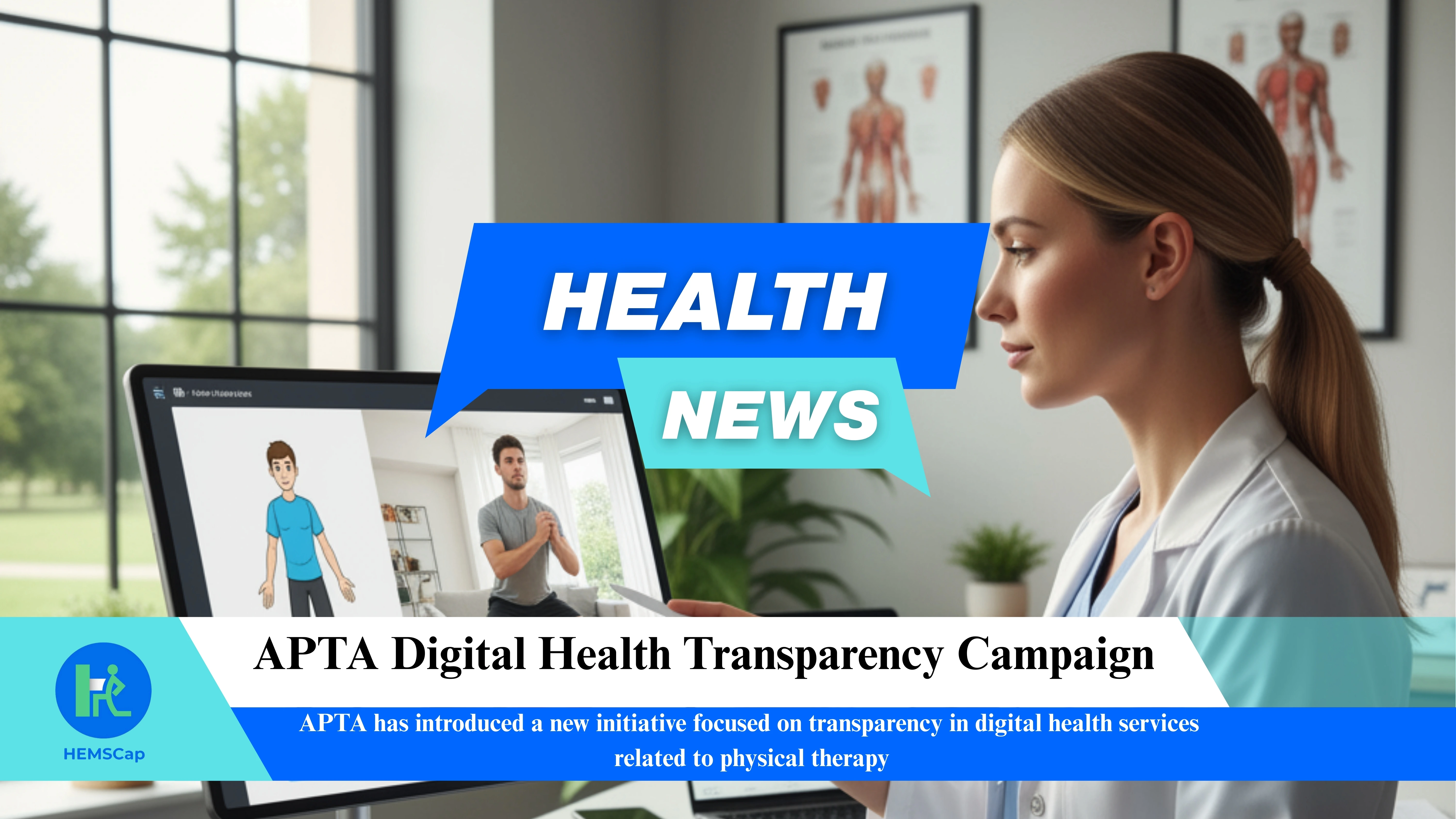
APTA Launches the Digital Health Transparency Campaign
APTA launches the Digital Health Transparency Campaign to ensure digital physical therapy services are delivered by licensed professionals with clear standards.